Bakery Fillings

Application overview

Fruit and vegetable purees as functional filling ingredients

Purees provide recognizable fruit or vegetable character together with water, soluble solids, pulp, color and body. In industrial bakery fillings, these properties affect not only flavor but also pumping, depositing, baking, moisture migration and finished-product texture.

The correct puree depends on the bakery format. A fine post-bake doughnut filling may require smooth texture and narrow particle size, while a pre-bake turnover or fruit bar may need stronger body, controlled moisture and greater thermal stability.

Fruit selection also matters. Tart cherry and cranberry deliver pronounced acidity, sweet cherry contributes greater natural solids and dark-fruit character, apple and pear provide milder profiles, peach adds aromatic stone-fruit character, and darker fruits such as aronia or acai can provide deeper flavor and visual impact.

Define the filling before selecting the puree

Start with the finished bakery product, whether the filling is deposited before or after baking, the required texture and the intended storage system. Then define which incoming puree attributes must remain consistent from lot to lot.
Qualification reminder: Purees are agricultural ingredients and can vary by variety, crop, origin and processing method. Current supplier specifications, representative samples and finished-product trials should govern commercial approval.
Fruit profiles

Puree characteristics that matter in bakery fillings

Representative commercial values below illustrate how different puree types can change sweetness, acidity, water contribution, color and filling structure. They are not universal purchasing specifications.

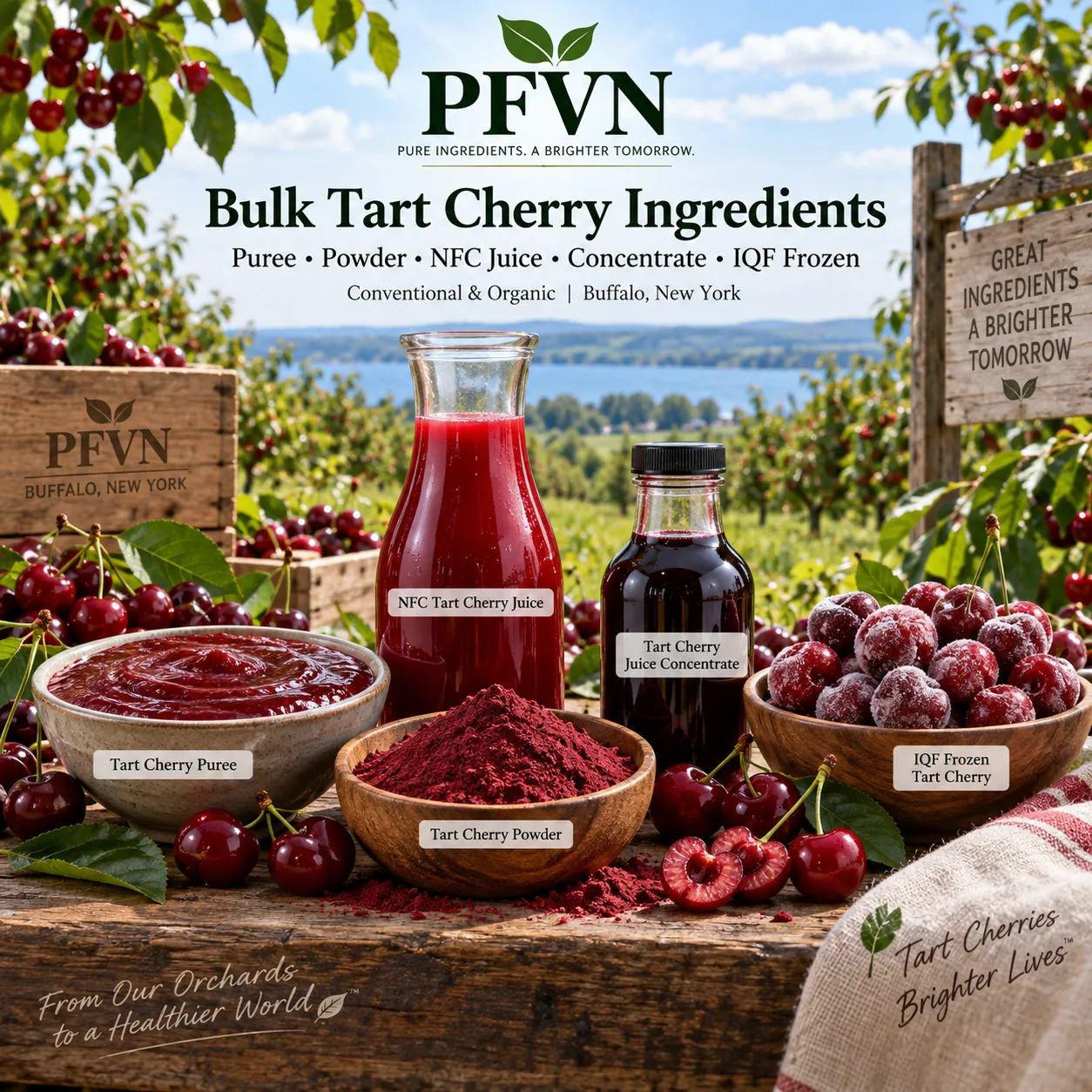
Tart cherry Bright acidity & red-fruit character

Tart cherry is useful when the filling needs a clear cherry identity that remains noticeable against sugar, pastry and fat.

A representative aseptic red tart cherry puree can range around 8.5–18.5° Brix, pH 2.9–3.9 and specific gravity approximately 1.040–1.075.

Dark sweet cherry Higher solids & rounder cherry flavor

Dark sweet cherry generally provides greater natural sweetness, deeper red-purple color and a softer acid profile than tart cherry.

Representative commercial puree can range around 16–28° Brix, pH 2.5–4.0 and specific gravity approximately 1.080–1.110.

Cranberry Tartness with lower natural solids

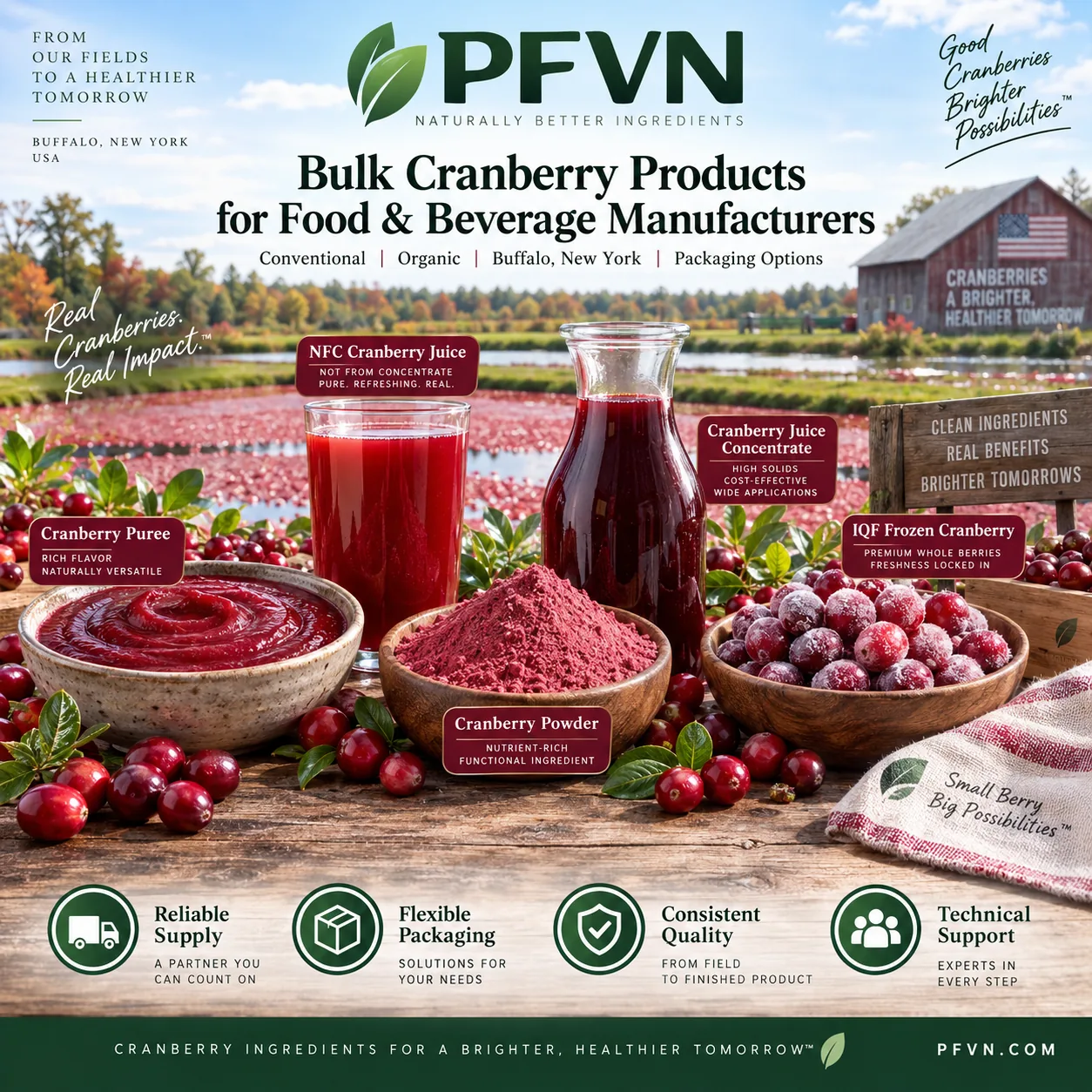
Cranberry puree contributes strong tartness and red fruit character and can provide useful contrast in highly sweetened fillings.

A representative aseptic product is approximately 5.5–8.5° Brix, pH 2.0–3.9 and specific gravity around 1.022–1.034.

Apple Mild base for blended fillings

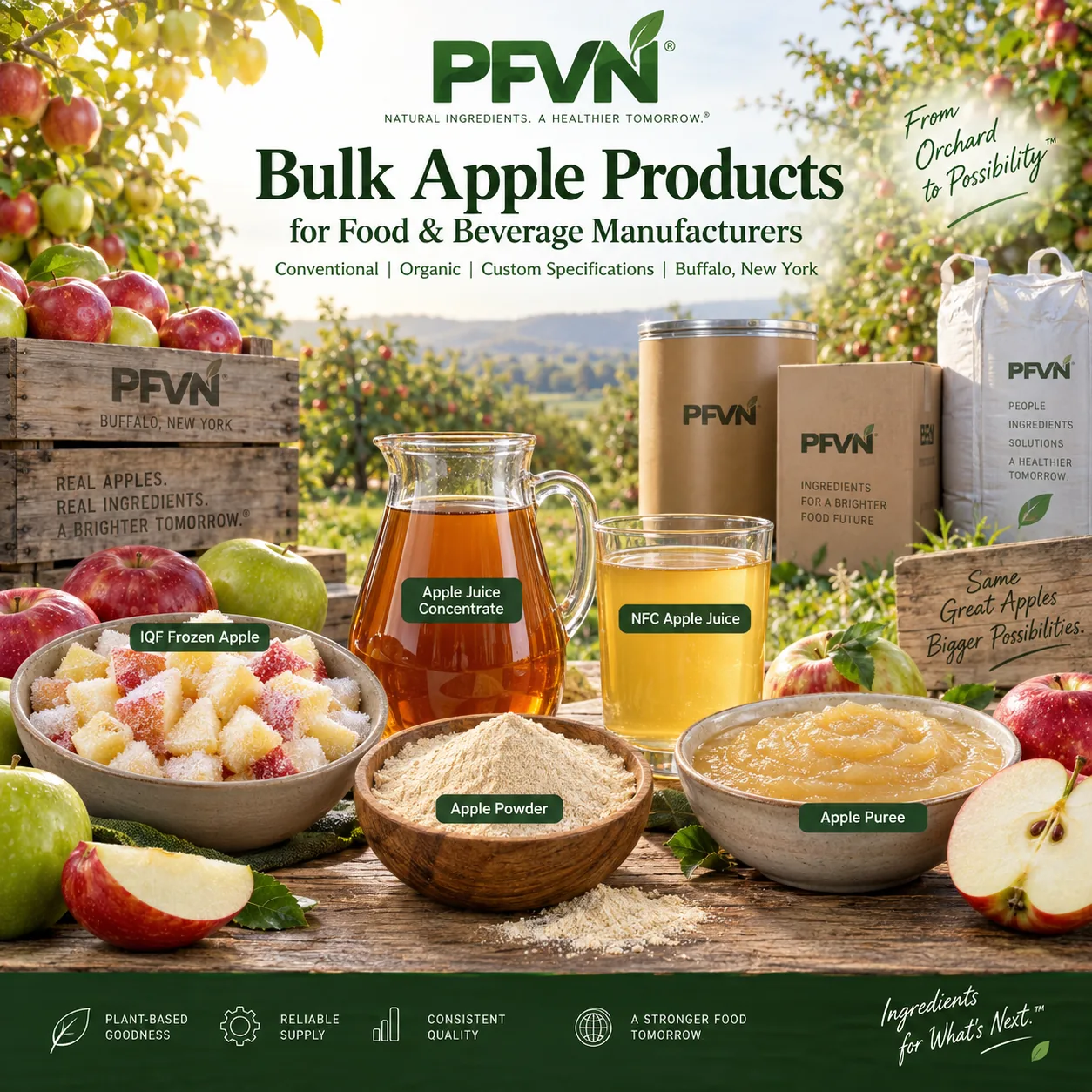
Apple offers a familiar, relatively mild fruit profile that can support berry, cherry, cinnamon and spice systems without dominating them.

Commercial apple puree concentrate is available around 32° Brix, with representative pH around 3.0–4.5. It contributes more solids and less water than single-strength apple puree.

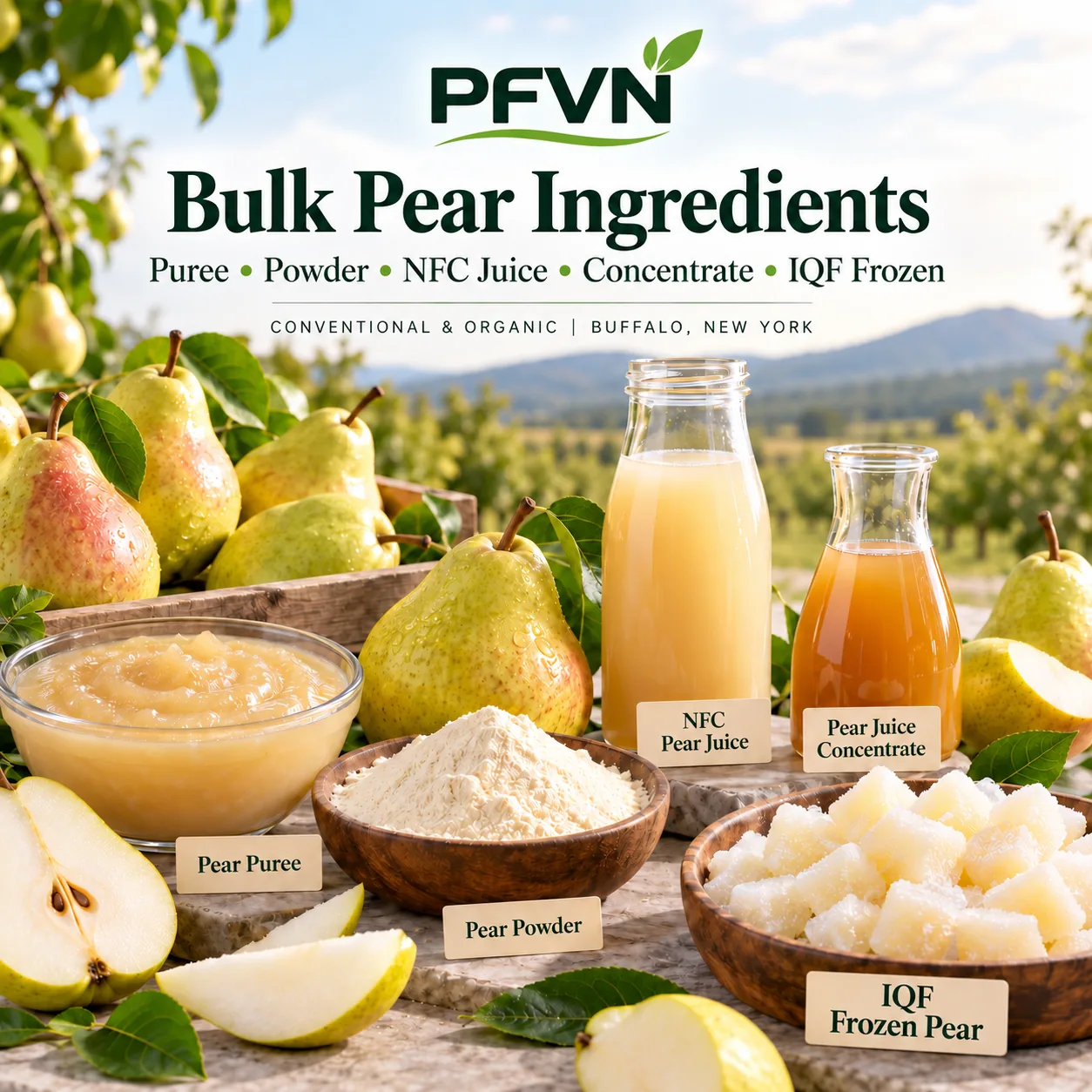
Pear Soft orchard-fruit profile

Pear provides mild sweetness and a softer aromatic profile useful in apple-pear, berry-pear and spice-oriented fillings.

Representative pear puree concentrate is around 32° Brix, pH approximately 3.4–4.4, with acidity commonly expressed as malic acid.

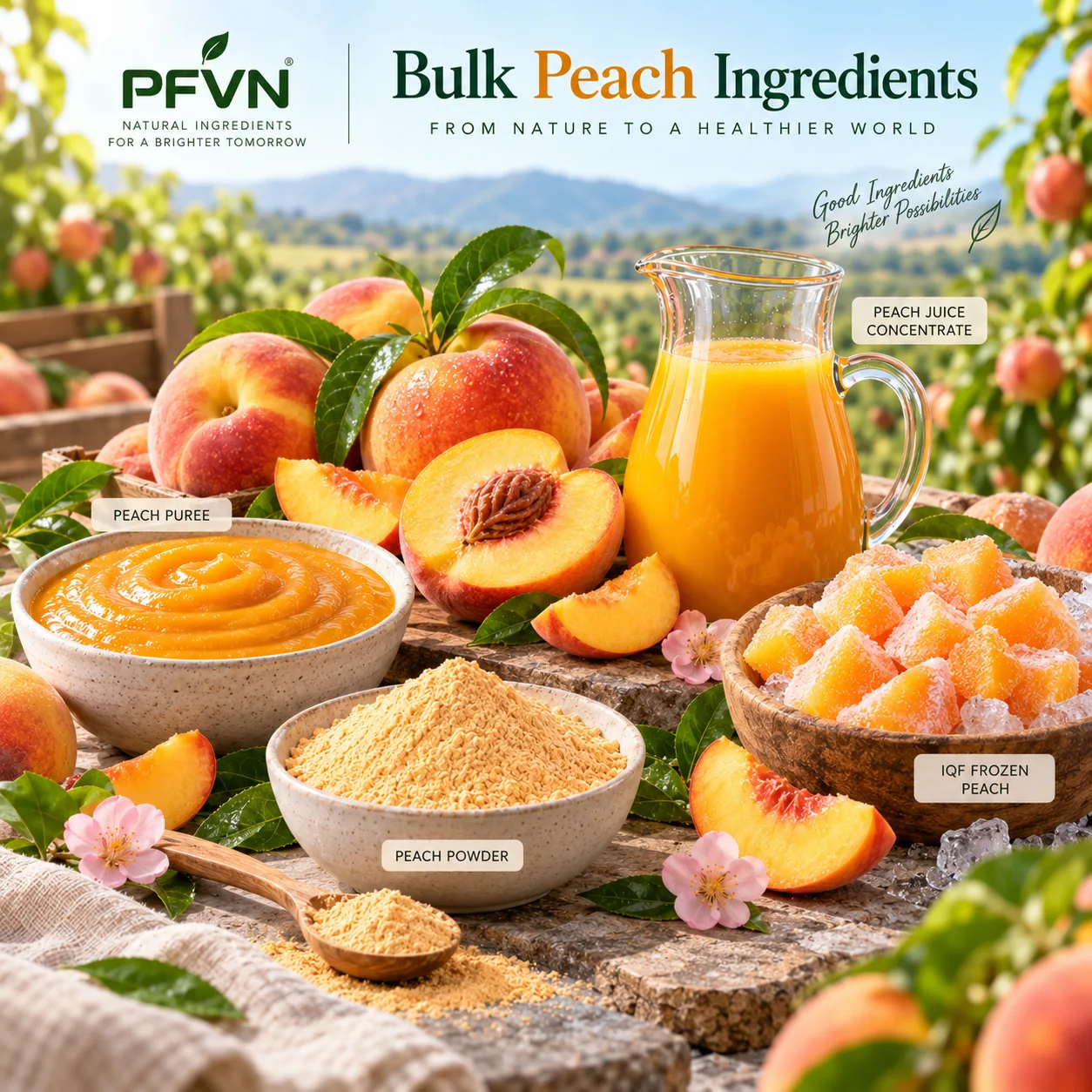
Peach Aromatic stone fruit

Peach provides recognizable stone-fruit flavor and orange-gold color for Danish, pastry, cake and cheesecake applications.

Commercial peach puree concentrate is available around 32° Brix, while single-strength aseptic peach puree may be substantially lower in solids. The format should always be identified in the RFQ.

Aronia Dark color & assertive berry profile

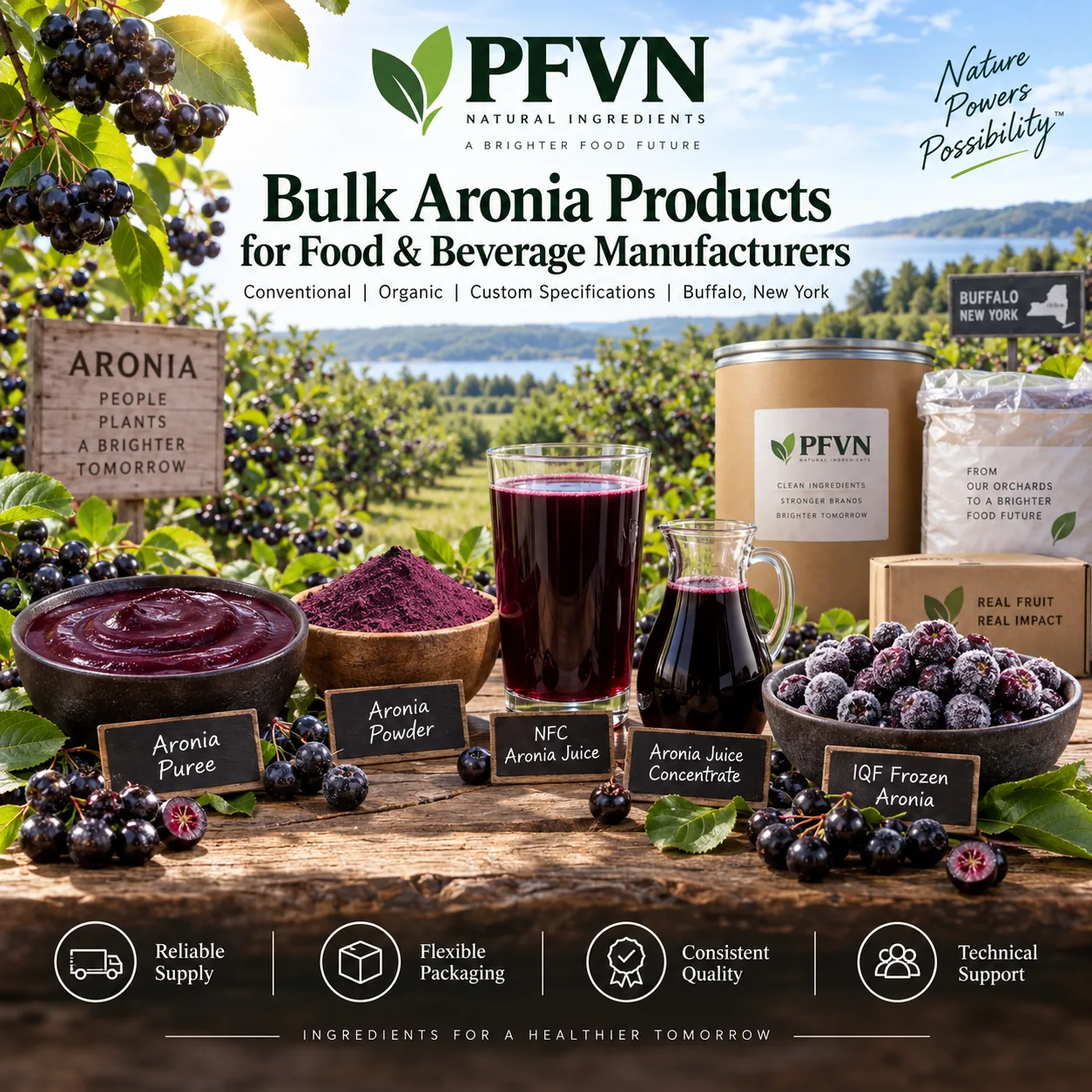
Aronia can contribute deep purple-red color, tartness and noticeable astringency. It is often useful as part of a blend where apple, pear or sweeter fruit moderates its intensity.

Aronia specifications vary significantly by whether the product is supplied as puree, juice or concentrate, so buyers should avoid using juice-concentrate values as a puree specification.

Acai Dark purple with earthy berry notes

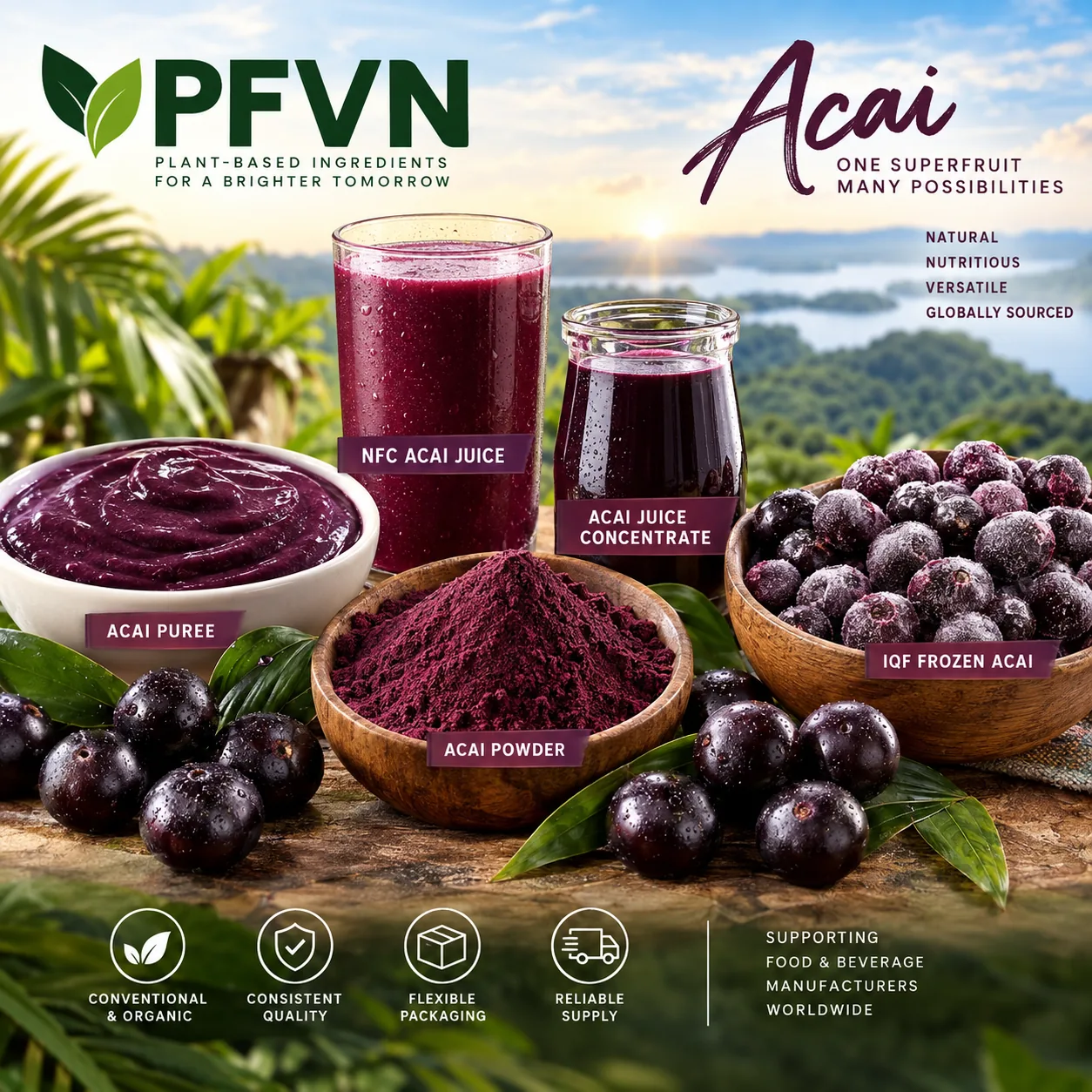
Acai provides deep purple appearance and a less sharply acidic profile than cranberry or tart cherry.

A representative commercial single-strength acai puree is approximately 4 ±2° Brix with pH around 3.5–4.6, illustrating its relatively high water contribution.

Specification note: Single-strength puree and puree concentrate should never be treated as interchangeable. Higher-solids puree concentrate changes filling water balance, yield, sweetness, flavor intensity and required thickener system.
Technical specification

Translate the fruit into measurable purchasing criteria

A useful bakery-puree specification focuses on the properties that affect formulation and depositing rather than relying only on the fruit name.

  • °Brix: influences soluble solids, sweetness, water balance and cook-down requirements
  • pH: affects fruit character, pigment behavior and the complete filling system
  • Titratable acidity: better describes total acid contribution than pH alone
  • Viscosity / consistency: affects pumping, deposit accuracy and filling spread
  • Sieve or particle size: determines smoothness and equipment compatibility
  • Pulp / insoluble solids: contribute body but can affect fine nozzles and injection systems
  • Color: approve after cooking and baking where relevant
  • Flavor / aroma: evaluate after the complete thermal process
  • Microbiological limits: align with the validated manufacturing program
  • Ingredient statement: verify fruit content and any declared acidulants or processing ingredients
Major industrial applications

Where puree-based bakery fillings are used

Different bakery formats place different demands on filling texture, fruit solids, heat stability and moisture management.

Pies Fruit pies & hand pies

Purees can provide the continuous fruit phase while pieces, starch, pectin or other structure-building ingredients create the required body and visible texture.

Pastry Danish, turnovers & laminated pastry

Pre-bake fillings should resist excessive spread and leakage during proofing and baking while retaining recognizable fruit flavor.

Doughnuts Post-bake injected fillings

Smoothness, controlled particle size, pumpability and repeatable viscosity are critical for injection through fine depositor nozzles.

Cookies Filled & sandwich cookies

Moisture migration is especially important because the filling can soften a crisp cookie during storage if the complete system is not properly balanced.

Bars Fruit bars & breakfast bars

Fillings need enough body to remain positioned through sheeting, baking, cooling, cutting and packaging without excessive squeeze-out.

Cakes Cake layers & fruit swirls

Puree-based preparations can be used between cake layers, in swirls or alongside dairy-style fillings where fruit acidity and viscosity are controlled.

Cheesecake Swirls & toppings

Cherry, cranberry, peach and dark berry purees can provide contrasting fruit flavor, but acidity and interaction with dairy systems should be tested.

Savory Vegetable pastries & filled breads

Vegetable purees can form part of fillings for turnovers, hand pies, buns and filled breads where vegetable identity, moisture and body are desired.

Pre-bake vs. post-bake

The addition stage changes the technical requirement

Pre-bake fillings

Pre-bake fillings experience the full oven cycle. As temperature rises, water moves, dissolved solids become more concentrated, thickeners change structure and fruit aroma can be lost.

  • Controlled initial viscosity
  • Resistance to excessive boiling and bubbling
  • Leakage control
  • Post-bake body
  • Flavor retention
  • Color retention
  • Moisture control at the dough interface

Post-bake fillings

Post-bake systems generally face less oven stress but require tighter control of smoothness, injection temperature, viscosity, particle size and finished-product microbiological design.

Texture & water management

Build the filling around moisture as well as flavor

Puree is only one part of the finished filling. Sugar, syrups, starch, pectin, fibers and other ingredients determine final solids, water binding and rheology.

Viscosity Control depositability

Filling that is too thin can leak or penetrate crumb; filling that is too thick can overload pumps, nozzles and depositors.

Syneresis Limit free-water release

Water separation can create wet pastry surfaces, filling separation and package staining. Evaluate the complete thickener and puree system.

Moisture migration Protect surrounding bakery texture

Water moves between filling and dough during storage. Evaluate the assembled product rather than the filling alone.

Starch Match thickener to the process

Starch selection may depend on acid tolerance, cook process, shear, bake stability and freeze-thaw requirements.

Pectin Consider pH and solids

Pectin behavior can be affected by soluble solids, acidity, calcium and heat. Changing puree source may therefore change filling structure.

Water activity Measure the finished system

Water activity is different from total moisture and should be evaluated as part of validated finished-product shelf-life and food-safety design.

Food-safety note: pH, Brix, water activity, baking or preservative use should not individually be assumed to establish finished-product safety or shelf life. The complete formulation, process, package and intended storage system require appropriate validation.
Bake & freeze-thaw stability

Test puree through the complete production cycle

Fruit puree that performs well in a kettle may behave differently after depositing, baking, freezing or extended storage. Pilot validation should reproduce the real bakery process.

Bake-stability checks

  • Expansion and bubbling
  • Leakage
  • Water loss
  • Post-bake viscosity
  • Fruit aroma retention
  • Color change
  • Dough interface

Freeze-thaw checks

  • Syneresis after thawing
  • Gel or starch breakdown
  • Texture change
  • Color and flavor retention
  • Deposited shape
  • Performance in frozen bake-off products
Commercial formats

Aseptic, frozen and concentrated puree supply

Purees can be supplied in several commercial formats. The correct option depends on the fruit, required solids, plant storage capability and expected batch consumption.

Aseptic Bag-in-box & drums

Representative commercial fruit-puree programs include approximately 42 lb bag-in-box, 425 lb drums and larger 2,300 lb totes.

Frozen Pails & drums

Frozen formats require freezer capacity, controlled thawing and production scheduling appropriate to the specific product.

Concentrated puree Higher solids, less water

Apple, pear and peach puree concentrates around 32° Brix illustrate how a higher-solids format can reduce incoming water and change formulation yield.

Storage Follow the exact specification

Aseptic does not automatically mean every product has the same ambient shelf life. Storage and post-opening instructions remain supplier- and product-specific.

Commercial sourcing

Compare total usable cost, not only price per pound

A lower-priced puree can become more expensive if it requires more cook-down, creates greater package residual, requires frozen storage or needs a higher inclusion rate to reach the same fruit intensity.

  • Puree price
  • Fruit solids and Brix
  • Required inclusion rate
  • Freight
  • Frozen or ambient storage
  • Thawing labor
  • Cook-down loss
  • Package residual
  • Line efficiency
  • Annual supply continuity
Troubleshooting

Common bakery-filling problems

Leakage

Filling escapes during baking

Review filling viscosity, water content, deposit weight, thickener system, dough seal quality and oven conditions.

Moisture

Pastry becomes soggy

Review puree water contribution, finished water activity, filling-to-dough moisture migration, bake profile and package conditions.

Syneresis

Water separates after cooling

Check puree solids, starch or hydrocolloid system, pH, cook conditions and freeze-thaw history.

Processing

Filling is difficult to pump

Review temperature, viscosity, particle size, pump type, transfer distance and nozzle diameter.

Sensory

Fruit flavor becomes weak

Compare fruit type, puree inclusion rate, acidity and thermal exposure. Approve flavor after baking rather than from the raw filling alone.

Freeze-thaw

Filling separates after thawing

Review puree composition, thickener freeze-thaw tolerance, freezing rate, storage conditions and thaw cycle.

Quality & documentation

Build the commercial puree file around the approved filling

Once a puree has passed the bakery trial, define which supplier characteristics must remain controlled to reproduce that result.

  • Current product specification
  • Certificate of Analysis where applicable
  • Ingredient statement
  • Brix / soluble-solids range
  • pH / acidity range where critical
  • Viscosity or consistency specification
  • Sieve / particle-size specification
  • Color and sensory criteria
  • Microbiological specification
  • Country-of-origin information
  • Organic or other certification where required
  • Packaging, storage and shelf-life information
Development pathway

From puree sample to commercial bakery filling

Step 01 Define the bakery product

Identify pie, pastry, cookie, bar, cake, doughnut, cheesecake or savory bakery use and whether the filling is pre-bake or post-bake.

Step 02 Select the puree

Compare fruit identity, format, Brix, acidity, texture and flavor at realistic inclusion rates.

Step 03 Build the filling structure

Establish solids, sweetener, starch or hydrocolloid system, viscosity and water-binding requirements.

Step 04 Run the real thermal process

Test leakage, bubbling, color, flavor and post-bake texture under production-representative conditions.

Step 05 Validate storage

Evaluate moisture migration, syneresis, freeze-thaw performance and packaged-product stability.

Step 06 Lock commercial supply

Finalize specification, packaging, documentation, approved origins, volume and logistics.

Frequently asked

Bakery-filling puree questions

Which puree characteristics are most important in bakery fillings?

The most useful parameters are usually fruit identity, Brix, pH or acidity, viscosity, sieve or particle size, color, flavor, microbiological specification and storage format. Which ones require tight tolerances depends on the filling process.

What is the difference between single-strength puree and puree concentrate?

Single-strength puree is closer to the natural solids level of the fruit. Puree concentrate contains more solids and less water, so it can change filling yield, cook-down requirements, sweetness, viscosity and flavor intensity.

What Brix should a bakery filling have?

There is no universal target. Incoming puree Brix and final filling Brix are separate specifications. The appropriate finished level depends on sweetness, texture, preservation system and bakery process.

Why is viscosity important?

Filling that is too thin can spread or leak, while filling that is too thick can be difficult to pump or deposit accurately. Measurement conditions should be defined if viscosity is a purchasing criterion.

What is syneresis?

Syneresis is water release from a structured filling. Excessive syneresis can create wet pastry, separation, package staining and moisture-migration problems.

Can puree fillings be frozen?

Many can, but the complete filling must be tested for freeze-thaw stability. Puree composition, starch or hydrocolloid system, freezing rate and storage conditions all affect the result.

Can fruit puree be injected after baking?

Yes. Post-bake injection systems generally need smooth puree, controlled particle size, suitable viscosity and validated microbiological and storage controls.

Can vegetable purees be used in bakery fillings?

Yes. Vegetable purees can be used in savory pastries, turnovers, hand pies and filled breads where vegetable flavor, color and body are desired.

Are aseptic and frozen purees available?

Both formats are commercially available for selected fruits and vegetables. Availability, packaging, storage requirements and shelf life vary by product and supplier.

What should I send with a quote request?

Include the puree required, application, pre-bake or post-bake use, approximate quantity, target Brix or acidity, viscosity or texture requirement, packaging preference, storage capability, certification requirements, destination and required timing.

Start a project

Source puree ingredients for your bakery-filling program

Tell PFVN which bakery product you are manufacturing, the fruit or vegetable required, whether the filling is pre-bake or post-bake, critical Brix, pH, acidity, viscosity or particle-size requirements, packaging preference, trial quantity, annual volume and delivery destination.