Application overview

Dairy & Cultured Beverage Flavoring

NFC fruit juices for dairy and cultured beverage systems

NFC and single-strength fruit juices provide natural fruit flavor, acidity, color and soluble solids without the concentration and later reconstitution associated with juice concentrates. In dairy and cultured beverages, they can create recognizable fruit profiles while supporting products positioned around juice content, fruit character or simpler ingredient declarations.

The formulation challenge is that fruit juice is an acidic aqueous ingredient being introduced into a protein-, mineral- and often fat-containing matrix. Juice pH, titratable acidity, natural soluble solids, pulp, cloud, color pigments and thermal history can therefore influence protein stability, viscosity, appearance and sensory balance.

Commercial qualification should consider both the fruit itself and the way the juice is processed. Variety, maturity, crop origin and extraction conditions can affect natural Brix, acid profile, aroma, bitterness, color and pulp behavior, so an approved specification should define the attributes that materially affect the final beverage.

Fruit selection changes the entire flavor system

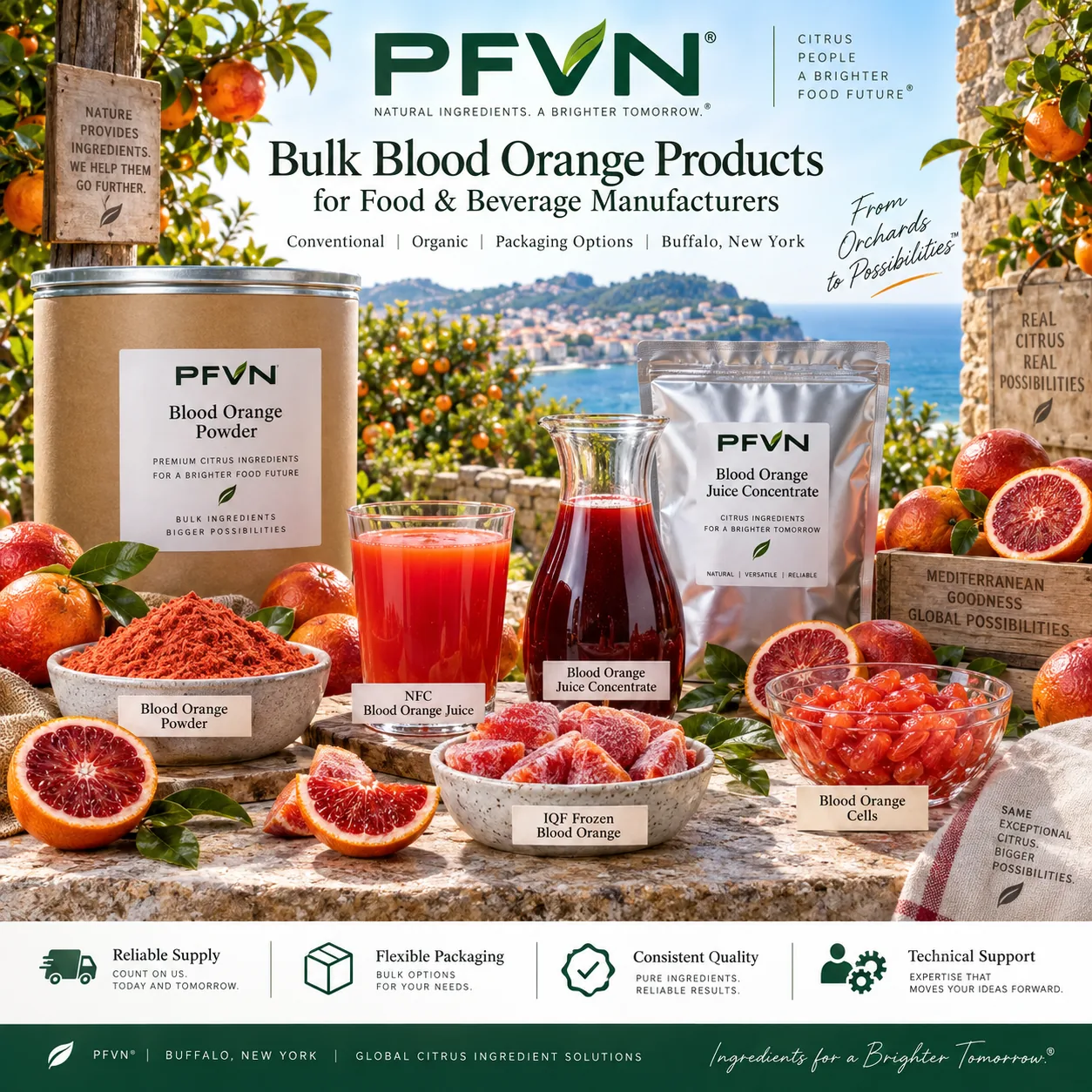
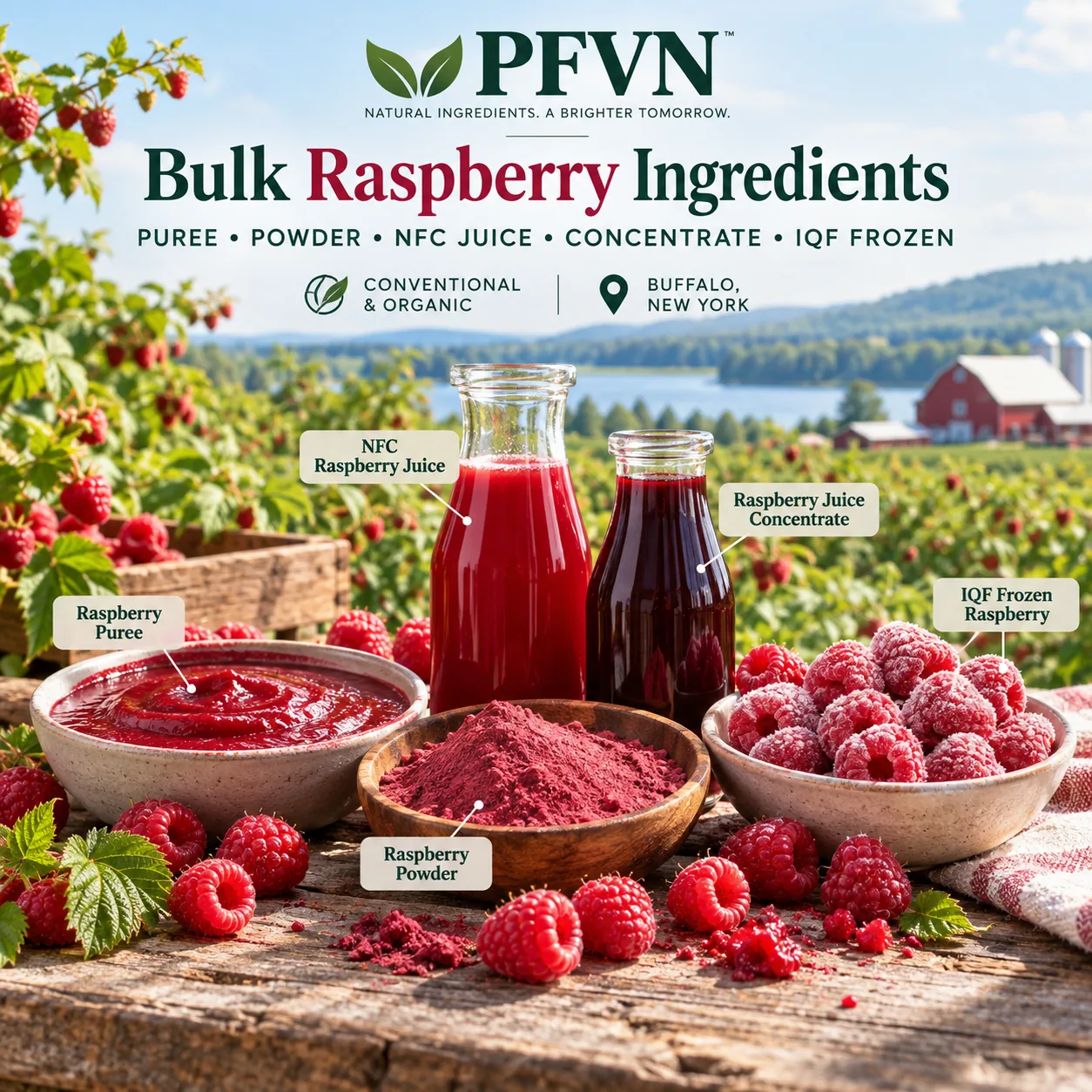
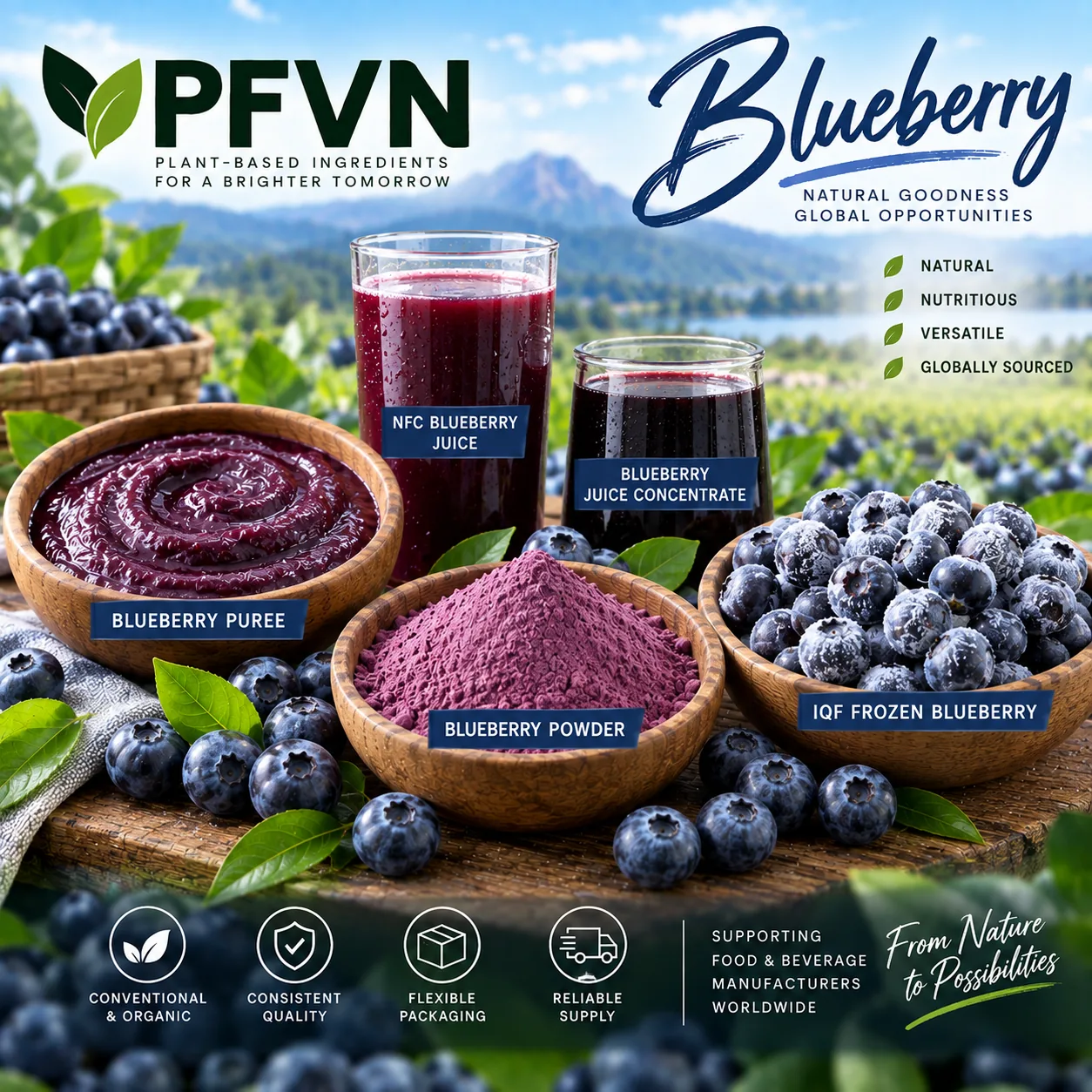
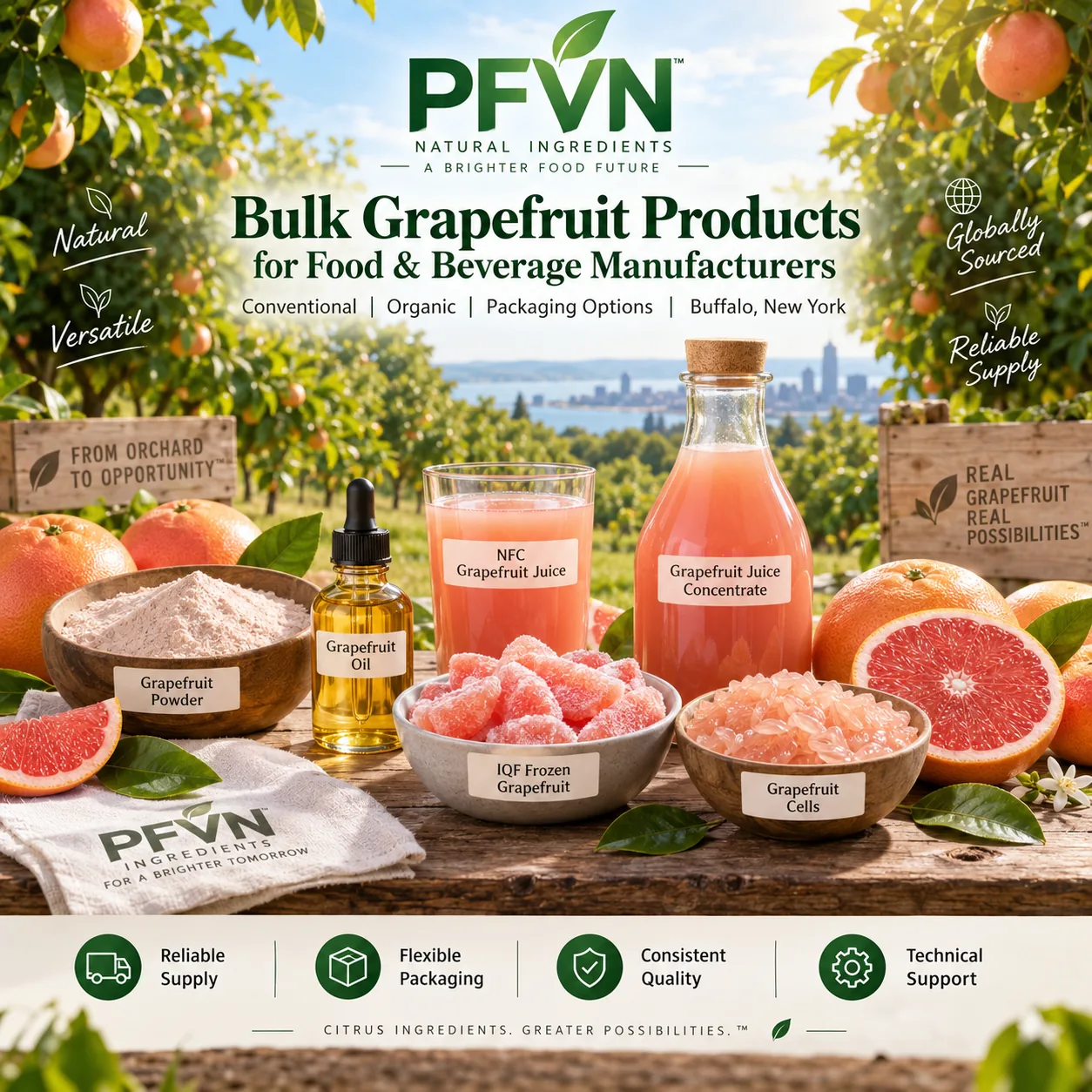
Citrus juices such as lime, grapefruit, blood orange, mandarin and tangerine provide very different combinations of acidity, volatile aroma, bitterness, sweetness and color. Berry juices such as strawberry, raspberry and blueberry contribute softer acidity profiles with red, purple or blue fruit character and different natural pigment systems.

The correct choice depends on whether the manufacturer needs a bright acidic top note, a sweeter citrus profile, dark berry color, recognizable fruit identity or a balanced flavor that complements cultured dairy acidity.

Approve the juice in the finished beverage

A juice that tastes attractive on its own may behave differently in milk, yogurt drinks, cultured dairy or plant-based beverages. Final approval should therefore evaluate the complete formulation at the intended inclusion level, using the actual addition sequence, heat treatment, homogenization and refrigerated storage conditions.

Qualification reminder: NFC and single-strength juice characteristics vary by fruit, variety, crop, origin, extraction method and supplier. Confirm the current specification, juice identity, packaging, storage requirements, microbiological criteria, shelf life and certification documents before commercial approval.
Fruit characteristics

How different fruits perform in dairy beverages

Fruit selection affects much more than flavor. Natural acidity, soluble solids, color pigments, pulp and aroma profile influence formulation, appearance and compatibility with the dairy or cultured base.

Citrus Lime

Provides intense acidity and a sharp citrus aroma. Because of its strong acid contribution, use level and addition sequence require careful evaluation in protein-containing beverages.

Citrus Grapefruit

Combines acidity with characteristic bitterness and aromatic citrus notes. Sensory balance is especially important where dairy fat or sweetness changes perceived bitterness.

Colored citrus Blood Orange

Offers orange flavor with distinctive red pigmentation. Color stability should be checked through processing and refrigerated storage.

Sweet citrus Mandarin Orange

Typically delivers a softer, sweeter citrus profile than highly acidic lime or grapefruit and can work well in mild dairy and cultured beverage concepts.

Aromatic citrus Tangerine

Provides a pronounced sweet-citrus aroma and recognizable tangerine character. Variety and crop can influence sweetness, acidity and aroma intensity.

Red berry Strawberry

Provides familiar berry flavor and red fruit character. Its color and aroma should be evaluated after the complete heat and storage process.

Red berry Raspberry

Offers more pronounced berry acidity and aroma, making it useful for strongly flavored cultured beverages and premium fruit combinations.

Dark berry Blueberry

Provides dark berry flavor and purple-blue pigmentation. Finished color can shift depending on pH and interaction with the surrounding dairy matrix.

Technical specification

Key NFC juice parameters for dairy applications

The most useful specification controls characteristics that influence flavor, protein compatibility, process performance and finished-product consistency.

Identity Single-strength juice

Confirm that the product is NFC or otherwise supplied at single strength, together with fruit variety or juice style where commercially relevant.

Soluble solids Natural °Brix

Natural soluble solids influence sweetness, fruit intensity and formulation balance. Expected ranges vary considerably by fruit and crop.

Acidity pH & titratable acidity

Both are important in cultured dairy formulation. pH relates directly to acid environment, while titratable acidity helps describe the total acid contribution and sensory impact.

Physical profile Cloud & pulp

Clarified, cloudy or pulp-containing juices can create very different appearance, sedimentation and mouthfeel characteristics in the finished beverage.

Appearance Color

Natural fruit pigments can respond to heat, oxygen, light and pH. Evaluate color in the finished beverage rather than approving the juice only in isolation.

Sensory Flavor & aroma

Approve representative material for characteristic fruit flavor and absence of oxidized, fermented, cooked or otherwise atypical notes.

Microbiology Incoming criteria

Define appropriate microbiological criteria according to the juice, storage system and validated finished-beverage process.

Storage Commercial condition

Confirm whether the juice is supplied chilled, frozen, aseptic or in another controlled format and define handling after opening.

Matrix compatibility

Manage fruit acidity in protein-containing beverages

Milk proteins and other protein systems can destabilize when exposed to localized high acidity. Adding a strongly acidic fruit juice too quickly or without sufficient mixing may create temporary low-pH zones that promote aggregation, graininess or separation.

Formulation strategy therefore needs to consider addition sequence, dilution, mixing intensity, temperature and the final target pH. The appropriate procedure depends on the beverage system and should be established through bench and pilot testing.

Important matrix variables

  • Base protein level
  • Juice inclusion rate
  • Fruit acidity
  • Final beverage pH
  • Addition sequence
  • Mixing intensity
  • Homogenization conditions
  • Heat treatment
  • Stabilizer system where used
  • Refrigerated shelf life
Industrial applications

Where NFC fruit juices are used in dairy and cultured beverages

Single-strength juices can provide fruit identity and acidity across a range of refrigerated and shelf-stable dairy concepts. The appropriate juice and use level depend on the product's protein system, sweetness, culture profile and processing method.

Cultured dairy

Drinkable Yogurt

Fruit juice can provide recognizable fruit flavor and acidity in drinkable yogurt formulations where protein stability and viscosity are carefully controlled.

Fermented dairy

Kefir-Style Beverages

Citrus and berry juices can complement fermented flavor profiles, provided that fruit acidity and final beverage pH are balanced with the cultured base.

Dairy drinks

Flavored Milk Beverages

Selected fruit juices can be used in acidified or fruit-flavored dairy drinks where the formulation is designed to maintain protein stability.

Cultured drinks

Fruit Yogurt Beverages

NFC juices are useful where the manufacturer wants liquid fruit character without first reconstituting a concentrate.

Regional concepts

Lassi-Style Fruit Drinks

Mild or aromatic fruit juices can be incorporated into yogurt-based beverage concepts to balance cultured acidity with fruit flavor and sweetness.

Protein beverages

Whey & Dairy-Protein Drinks

Fruit juice can provide flavor and acidity in clear or opaque protein beverage systems, subject to compatibility with the specific protein composition and process.

Plant alternatives

Plant-Based Cultured Beverages

The same fruit juices may be evaluated in cultured oat, soy, almond or other plant-based matrices, although protein and mineral interactions differ from conventional dairy.

Functional dairy

Probiotic & Nutrition Drinks

NFC fruit juices can support fruit-flavored functional beverage concepts where sensory impact, culture stability and processing compatibility are validated together.

Qualification pathway

From juice sample to finished cultured beverage

A representative juice sample is useful for initial evaluation, but commercial approval should connect measurable incoming properties with finished-product stability and sensory performance.

Recommended approval stages

  1. Review the current juice specification and ingredient declaration.
  2. Confirm single-strength identity, processing method and storage condition.
  3. Evaluate representative samples for Brix, acidity, color and sensory profile.
  4. Prepare bench formulations at the intended juice inclusion level.
  5. Test juice addition sequence and protein compatibility.
  6. Run a production-representative pilot using the intended heat and homogenization process.
  7. Evaluate refrigerated or intended distribution stability.
  8. Lock the incoming specification, packaging and documentation requirements.

After a successful pilot, record the juice lot, Brix, pH, acidity, use level, process conditions and finished-product results. These data provide a practical benchmark for future lots and alternate suppliers.

Processing considerations

Protect fruit character while maintaining beverage stability

Fruit aroma, pigments and dairy proteins can all respond to processing conditions. Juice qualification should therefore reflect the actual thermal process, homogenization sequence and refrigerated or ambient distribution system.

Addition Control the sequence

Determine whether juice is best added before or after specific process stages based on protein stability, heat treatment and line design.

Mixing Prevent local concentration

Adequate agitation helps distribute acidity and soluble solids evenly throughout the base.

Heat Evaluate thermal impact

Heat can alter fruit aroma and color while also affecting protein stability. Approve flavor after the commercial process.

Homogenization Check physical stability

Homogenization conditions can influence appearance, particle distribution and long-term beverage consistency.

Storage Test refrigerated stability

Track flavor, color, sediment, viscosity and separation throughout the intended shelf-life period.

Oxygen Protect sensitive aroma

Limit unnecessary oxygen exposure where oxidation could reduce fresh fruit aroma or alter sensitive pigments.

Packaging & plant handling

Choose the juice format around usage rate and storage

NFC and single-strength juices may be supplied in pails, bag-in-box systems, drums, totes or other bulk-liquid configurations depending on the fruit, processing method and supplier program.

Storage may be chilled, frozen, aseptic or otherwise controlled. The exact commercial format must be confirmed for the specific juice being purchased.

Usage rate Match pack size to batch size

Select a package that can be consumed within the validated handling period after opening and minimizes partial-container storage.

Storage Plan capacity before approval

Confirm whether ambient, chilled or frozen storage is required and verify that warehouse or cold-storage capacity is available.

Transfer Review pump and line compatibility

Pulp-containing juices may behave differently from clarified juices through pumps, filters and dosing equipment.

Open packs Define handling windows

Establish procedures for opened containers, including temperature control and maximum validated hold time.

Freight Account for transported water

NFC juice contains substantially more water than concentrate, so freight and storage economics should be evaluated as part of commercial sourcing.

Logistics Review pallet efficiency

Pack size, drum or tote footprint and shipment frequency can materially affect delivered cost and plant handling.

Troubleshooting

When fruit-flavored dairy beverages change in production

Compare the juice specification, process records and finished-product results with the approved benchmark before reformulating. Fruit crop variation and processing differences can affect acidity, flavor and color from lot to lot.

Development check

Protein destabilizes

Review juice acidity, addition rate, final pH, mixing, temperature and whether localized acid shock occurred during production.

Development check

Flavor is too sharp

Compare titratable acidity, juice use level, sweetness and cultured-base acidity against the approved formulation.

Development check

Juice flavor is weak

Review fruit variety, juice use level, heat exposure, storage age and competing dairy or fermentation notes.

Development check

Color changes during storage

Evaluate fruit pigment type, final pH, oxygen exposure, heat history and light exposure through shelf life.

Development check

Sediment develops

Review juice pulp or cloud, protein stability, homogenization conditions and storage time.

Development check

Lots taste different

Compare incoming Brix, acidity, fruit origin, crop, sensory profile and processing history against the approved juice benchmark.

Quality & documentation

Build a specification around juice identity and dairy compatibility

The commercial specification should identify the properties that affect the finished dairy or cultured beverage and clearly define the documents required for qualification and lot release where applicable.

  • Current technical specification
  • Ingredient declaration
  • Fruit / juice identity
  • Typical or controlled °Brix
  • pH and titratable acidity
  • Cloud / pulp specification where relevant
  • Certificate of Analysis where applicable
  • Microbiological specification
  • Allergen statement
  • Country-of-origin information
  • Organic or other certifications where required
  • Storage, shelf-life and packaging information
Commercial evaluation

Compare technical fit and total delivered economics

NFC juice is commercially different from concentrate because it carries natural-strength water as part of the product. Freight, refrigerated or frozen storage, packaging and handling can therefore represent a larger portion of delivered cost.

Juice strength Compare equivalent fruit contribution

Do not compare NFC and concentrate only on price per kilogram; account for differences in concentration and formulation use level.

Crop Review seasonal availability

Fruit variety, harvest timing and crop size can influence pricing, sensory profile and lead time.

Origin Qualify alternate sources

Where multiple origins are needed for supply continuity, compare them against the same analytical and sensory acceptance criteria.

Packaging Consider plant handling

Drums, bag-in-box systems and totes can create different labor, residual loss and storage requirements.

Cold chain Include storage and freight

Chilled or frozen supply programs may carry different freight and warehouse costs than aseptic ambient formats.

Volume Plan annual requirements

Sharing realistic annual usage and delivery frequency helps suppliers evaluate production scheduling and commercial feasibility.